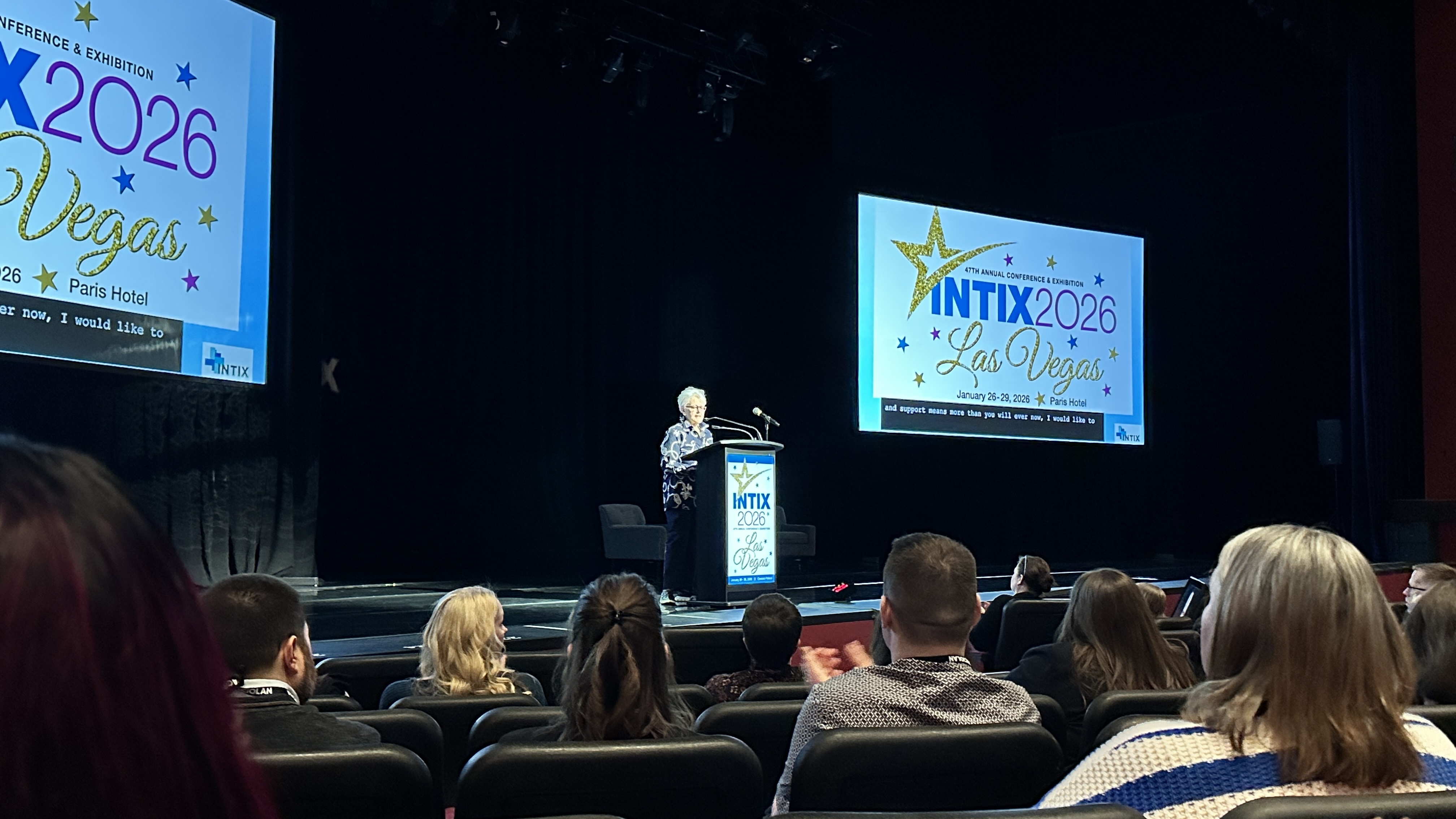
The live events industry is moving fast. Change is accelerating, and that momentum is creating new opportunities for event creators to rethink how they connect with fans.
Every year, the industry gathers for the annual INTIX conference. It's where ticketing professionals, venue operators, and independent organizers come to understand where things are headed. This year, one question kept surfacing in keynotes, workshops, and hallway conversations: what does it take to build events that people want to return to, not just attend once?
The answer isn't in any single tool or tactic. It's in how event creators are rethinking the entire fan relationship. Here's what that looks like.
The industry's view of ticketing is evolving. What used to be seen as a transaction is now understood as the start of something bigger, a relationship that shapes every part of an event operation.
Today's event creators recognize that pricing strategy affects marketing, digital experience influences operations, and data informs decisions about what's next. The ticket is the entry point to an ongoing connection with fans.
As fans pay more attention to pricing transparency, transaction fees, and ticket sources, building ethical and transparent systems has become central to earning trust. And trust is what brings people back and creates raving fans who will bring their friends and family to your next event.
One of the keynote speakers shared a notable stat: ticket prices have increased by about 40% since the pandemic. Higher demand, rising venue costs, dynamic pricing strategies, it all added up.
But here's where it gets interesting. In the UK, research found that perceived cost is often the top reason people hesitate to buy, even in markets where average prices dropped by 5%. Perception can matter more than reality.
This creates an opportunity. When you communicate value clearly and offer transparent pricing and ticket protection that helps people, you make it easier for them to feel confident about buying. With the secondary market growing by roughly 18% and fans willing to pay premium prices for sought-after tickets, many organizers are building strategies that protect fans from fraud, educate them about their options, and keep the brand experience consistent.
Event creators have spent years learning SEO, figuring out how to rank on Google and show up when someone searches for events in their city. That work still matters. Now there's a new layer.
Conference data showed that many websites are scoring low on AI readability. This matters because more people are using AI assistants to research events and decide what to attend. One case study at INTIX made the gap clear: teams trained on AI tools like Copilot were seeing notably better results.
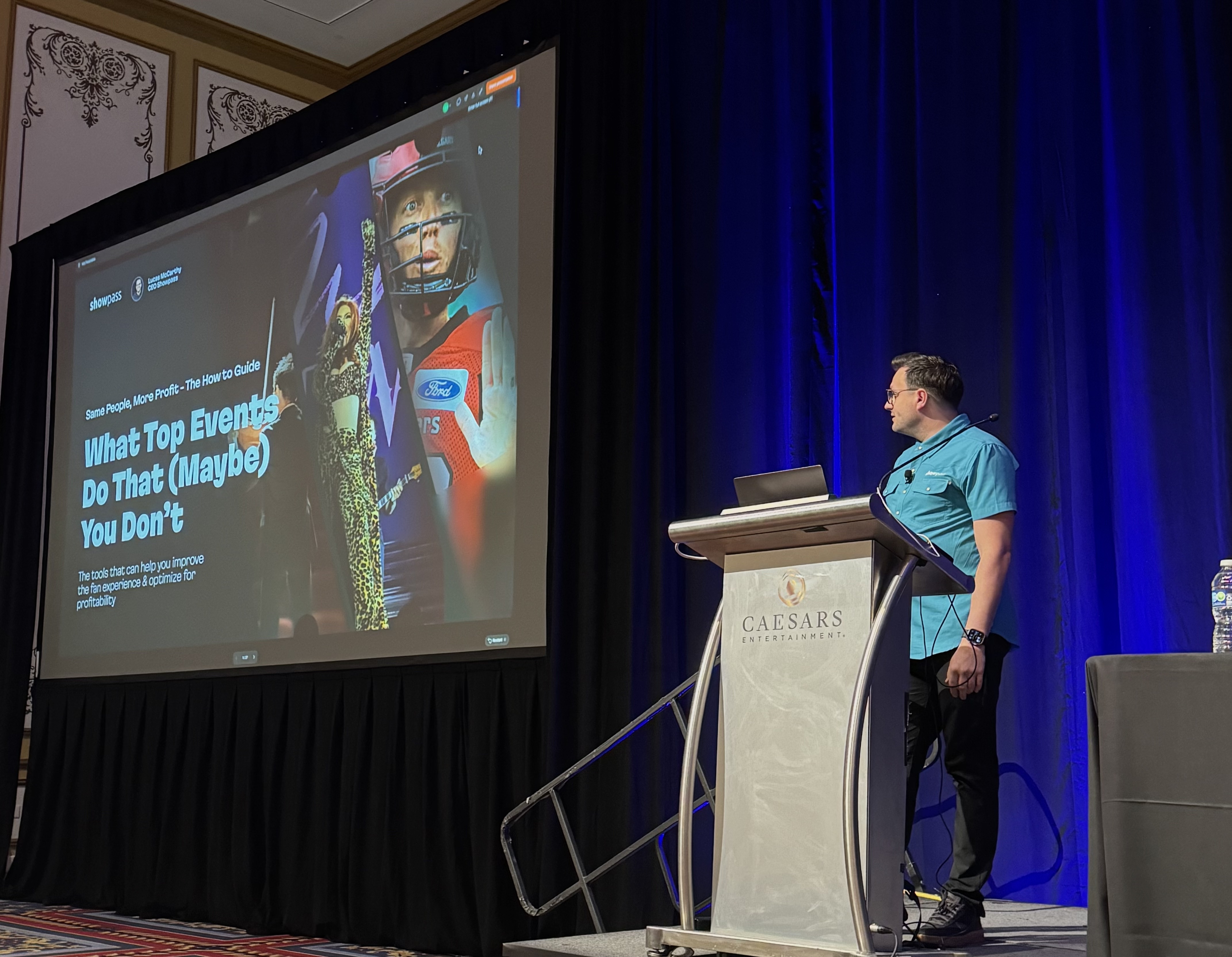
Lucas McCarthy, CEO and founder of Showpass, delivered a session on leveraging AI to maximize your return on time. For entrepreneurs running events with small teams, AI isn't just about increasing ROI. It's about getting time back to focus on what matters, building better experiences and stronger relationships with fans.
Getting started doesn't require becoming an AI expert. Check your website's AI readability. Make sure AI can easily find your event details, pricing, and availability. Get your team comfortable with the tools that are already available. The future is moving fast, but you can't break anything by trying. Start experimenting and see how they can help.
The buyer journey has evolved. People often visit your site, research dates, compare what else is happening in the city, coordinate schedules with friends, read reviews, and browse your social media before making a decision. Sometimes they come back a week later to buy.
Event creators are adapting by meeting people where they are. Retargeting campaigns provide new information and value. Tiered pricing creates natural momentum, with early bird rates and tier releases that reward early commitment. Countdown campaigns give clear signals about when pricing changes and why.
The organizers seeing success are designing a journey that rewards early commitment while making the decision process feel clear and informed. Before you launch any campaign, ask yourself: would I click on this? Does it resonate? That's what makes the difference.
One of the stronger themes at INTIX was how organizers are using data differently. Beyond looking at results after an event, they're using insights to inform decisions before it happens.
Event creators are connecting data across ticket sales, marketing performance, geographic trends, and partner insights. Many are exploring predictive analytics, using past performance to anticipate demand, identify likely buyers, and guide pricing decisions. With growing competition for attention, data is helping answer practical questions: Who's buying? When? What's working? Where are the growth opportunities?
The organizers seeing the most value are using systems that make insight accessible in real time, so they can act on what they're learning as it happens.
A key concept discussed was "the welcome gap," the space between when someone buys a ticket and when the event starts. The best event creators are using this window to build relationships. They're sending "know before you go" emails. Sharing behind-the-scenes content. Opening doors earlier. Making signage welcoming instead of a list of rules.
Word of mouth has always mattered. What's changed is how visible it's become. 43% of attendees talk about their experience afterward, and AI-powered search tools are surfacing those conversations when new fans are deciding what to attend. Your on-the-ground experience, the small touchpoints, shows up in how people discover your events.
Fans also expect personalization. Event creators are highlighting VIP packages at checkout, using apps to stay connected, tailoring communication based on behavior, and measuring different parts of the journey separately to understand where friction shows up.
Here's a useful metric: separate your customer service satisfaction score from your event satisfaction score. Often, people loved the show but had issues with parking or entry. That gap tells you where to focus.
When your team understands they're creating first impressions, when your communication feels welcoming, people are more likely to buy, upgrade, and return.
What stood out at INTIX 2026 was how everything connects. Clearer insight leads to stronger fan relationships. Better systems support smarter operations. Transparent practices build trust. And trust is what turns a one-time attendee into someone who keeps coming back.
The event creators who are thriving are building infrastructure that lets them move quickly while staying focused on what matters. They're listening to their audiences. They're treating ticketing as the foundation of a relationship. And they're embracing how the power of live events continues to evolve.
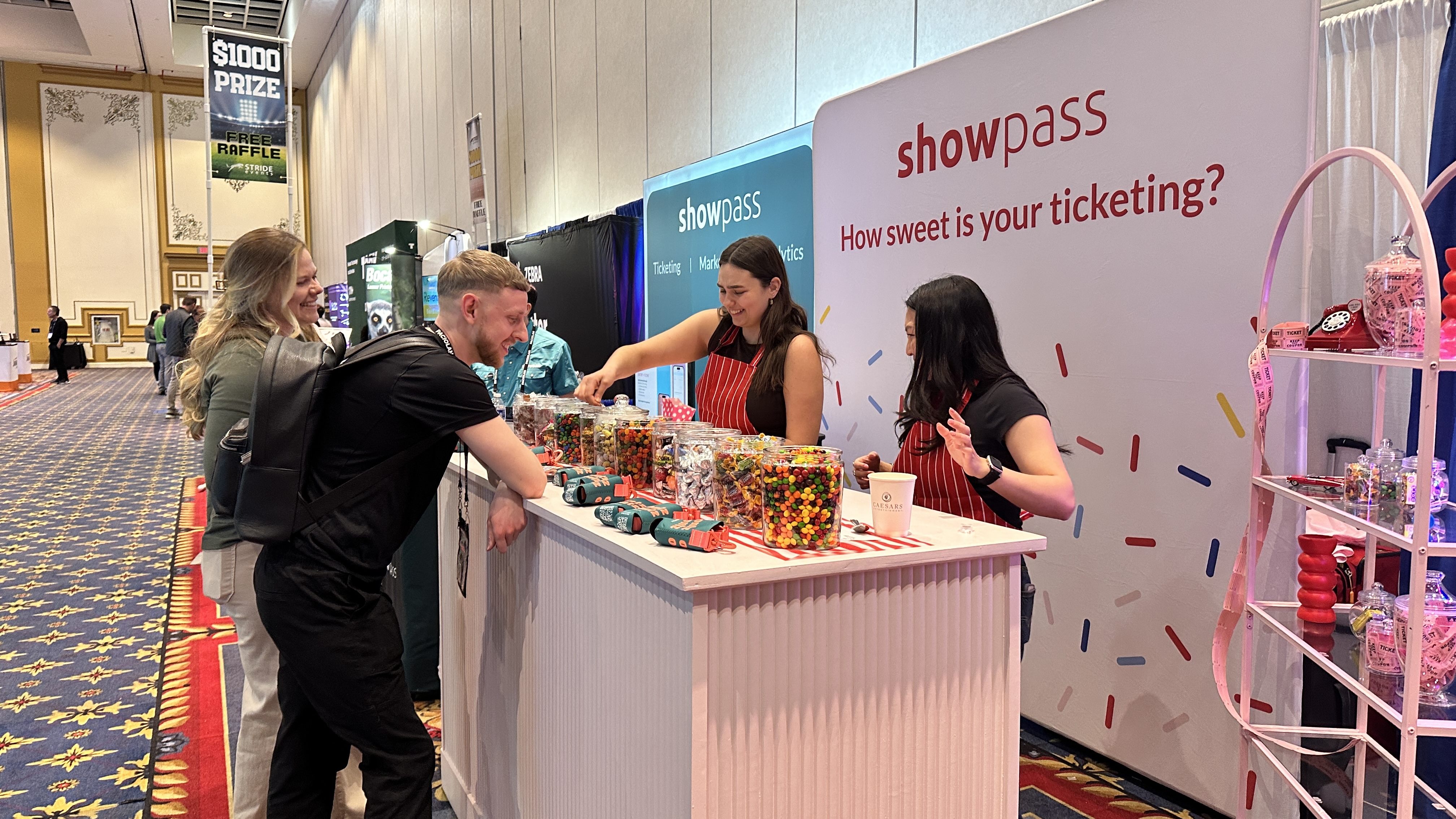
At our INTIX booth, we ran an activation testing how sweet organizers' current platforms really are. For every feature their system had, they got a candy. Most people walked away with 6 out of 10. That gap is exactly what we're working to close.
At Showpass, we build tools that bring ticketing, marketing, analytics, operations, and reporting into one connected system for independent organizers. If you didn't get a chance to see how your platform stacks up, book a demo with our team and we'll show you what's possible.